ABS vs CBS on Motorcycles: What Bangladesh Bike Buyers Should Check
By Tawfik · Editorial policy
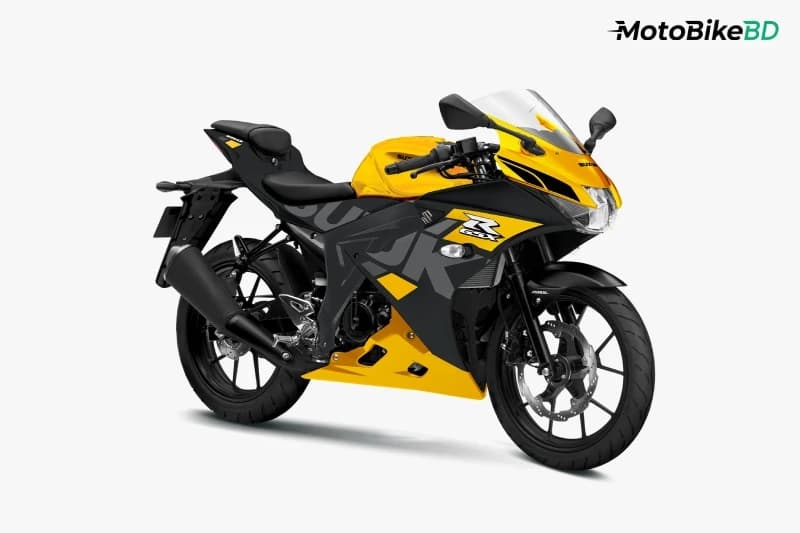
ABS and CBS solve different problems. Both can support a rider, but neither turns an unsafe speed, poor tyre, or bad technique into a safe situation. Bangladesh buyers also need to watch for variant confusion: the same motorcycle name may be sold with drum, disc, CBS, single-channel ABS, or dual-channel ABS.
What ABS does
Anti-lock Braking System monitors wheel behavior and reduces brake pressure when it detects an impending lock. This can help the rider retain steering control during hard braking, especially when grip is inconsistent.
The World Health Organization's powered two- and three-wheeler safety manual describes motorcycle ABS as a system that prevents wheel lock and helps riders maintain stability and steering control during hard braking. That general safety evidence does not replace checking the exact Bangladesh-market variant fitted to a motorcycle.
Single-channel ABS usually controls one wheel—commonly the front. Dual-channel ABS controls both front and rear. The exact implementation matters more than a generic “ABS” badge, so inspect the motorcycle and the official variant specification.
Examples with recorded dual-channel systems include the Suzuki GSX-R150 and Yamaha R15M. Their price and equipment pages identify the researched Bangladesh variant.
What CBS does
Combined Braking System links or distributes braking input so that operating one control applies some braking force to both wheels. It can make everyday braking more balanced for some riders, but it does not provide the same anti-lock function as ABS.
CBS behavior differs by manufacturer and model. A test ride and the owner's manual are better evidence than a salesperson's simplified explanation.
What neither system can do
- Create grip on a worn, damaged, overinflated, or unsuitable tyre.
- Eliminate stopping distance.
- Correct excessive corner-entry speed.
- Replace progressive brake practice.
- Protect a rider who follows too closely.
- Guarantee stability on oil, sand, paint, metal covers, or broken surfaces.
Showroom inspection
- Match the quotation's exact variant name to the motorcycle.
- Look for ABS wheel-speed sensor rings and dashboard warning behavior.
- Confirm front and rear brake hardware.
- Inspect tyre brand, size, condition, and manufacture date.
- Ask whether ABS is one- or two-channel.
- Check the owner's manual and warranty coverage.
The ABS warning lamp commonly illuminates at startup and clears after the system completes its check, but follow the model's manual. A warning that remains active requires dealer attention.
Braking technique still matters
Practice progressive braking in a safe, controlled environment with qualified instruction. Build pressure rather than grabbing suddenly, keep vision up, maintain space, and account for passenger load and rain. Protective equipment and speed choice remain essential.
How to compare models
Use MotoBikeBD's comparison tool to review recorded braking hardware, tyre sizes, weight, and price status. Then verify those details on the exact showroom motorcycle before paying.
Evidence and methodology
This article was reviewed on July 23, 2026. Comparisons use MotoBikeBD catalog records and their price-verification labels; linked motorcycle pages expose the exact price sources when qualifying evidence is available. General buying guidance is editorial analysis, not a first-hand road test unless the article explicitly documents one.
Read the sourcing and corrections policy or submit a correction.